 Skip to content
A Comprehensive Medical Student’s Guide to Coffee
Like many, if not most medical students, if you see me at any time of the day, there is a 95% chance I will be holding an iced oat latte in my hand.
Like many, if not most medical students, if you see me at any time of the day, there is a 95% chance I will be holding an iced oat latte in my hand.
There was an empty,
Aching,
Hidden
Hole in my heart,
And somehow or another,
Someone has found it
And haemostasised it for me.
Give me a recipe for making tofu.
Certainly! Here is a recipe for making tofu:
3:33 am: First alarm of the day. My failed talking stage sent me a post about angel numbers once and I believe in starting the day right.
Kyren Lavan ed. Summer Pan The question of nature vs nurture is one that has been discussed since humanity has recorded its first stories. In…
Perfect pitch has fascinated me ever since I first discovered it existed. About 0.01% of the population have it – about as rare as finding…
You’ve probably seen their work in Jugular or on our Instagram, but have you ever wondered what goes on inside the minds of Jugular’s creatives? Is art something anyone can cultivate, or is it reserved for those with a seemingly God-given talent?

Surprisingly, going outside is good for you!
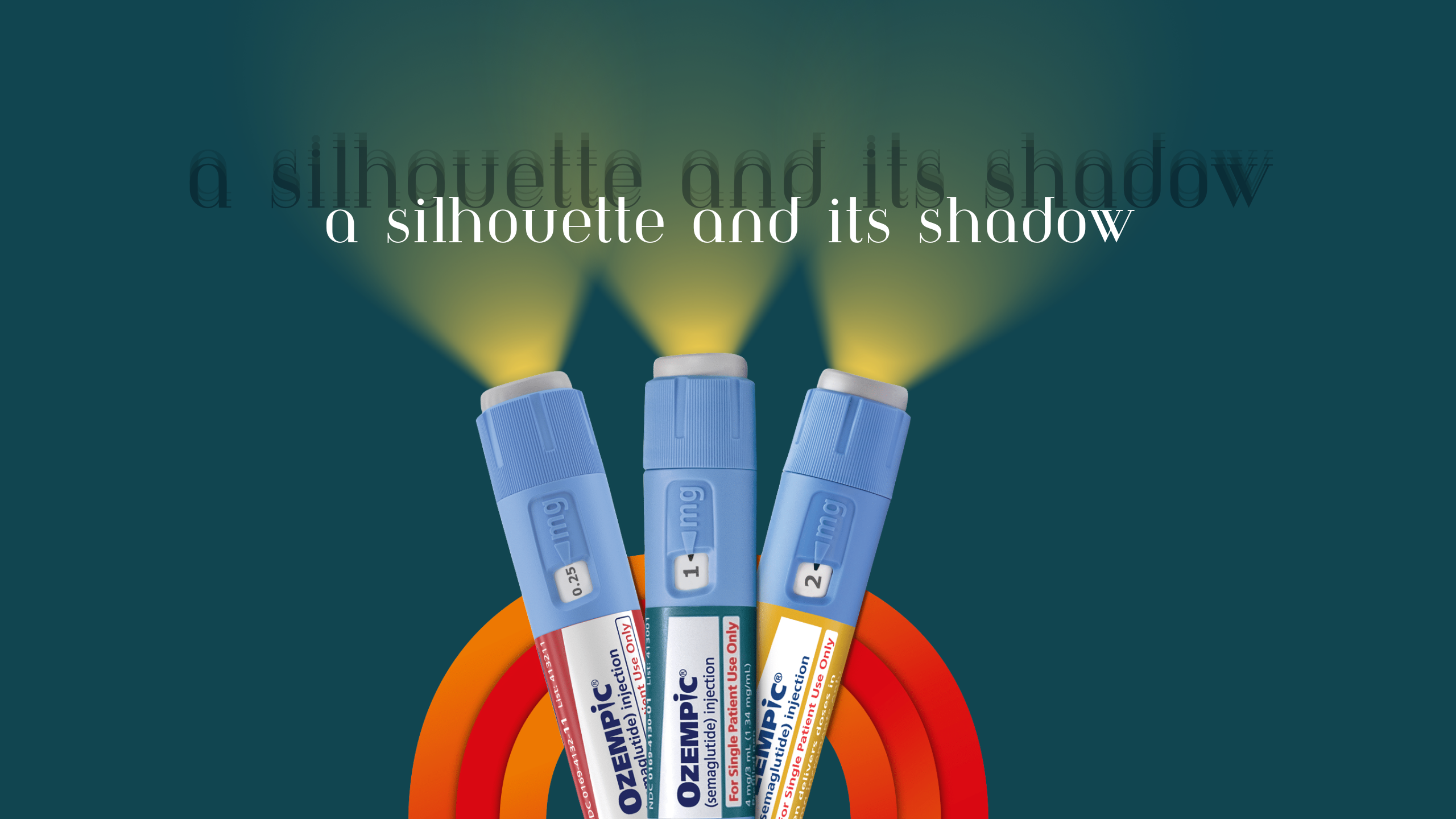
When we examine a moment in time, we can often characterise society by the distinctive silhouette of the people who occupied it.
mu·mi·a (also mum·mi·a) /ˈməmēə/ noun: A medicinal preparation of powdered human remains, widely prescribed in Europe from the 12th to the 18th century as a panacea for wounds, bruising, and various internal ailments.