 Skip to content
A Comprehensive Medical Student’s Guide to Coffee
Like many, if not most medical students, if you see me at any time of the day, there is a 95% chance I will be holding an iced oat latte in my hand.
Like many, if not most medical students, if you see me at any time of the day, there is a 95% chance I will be holding an iced oat latte in my hand.
Give me a recipe for making tofu.
Certainly! Here is a recipe for making tofu:
3:33 am: First alarm of the day. My failed talking stage sent me a post about angel numbers once and I believe in starting the day right.

Saif Alam ed. Asmara Downey We’re all familiar with sunscreen: that greasy substance we begrudgingly apply in summer because the sun will burn us alive…
Perfect pitch has fascinated me ever since I first discovered it existed. About 0.01% of the population have it – about as rare as finding…
You’ve probably seen their work in Jugular or on our Instagram, but have you ever wondered what goes on inside the minds of Jugular’s creatives? Is art something anyone can cultivate, or is it reserved for those with a seemingly God-given talent?
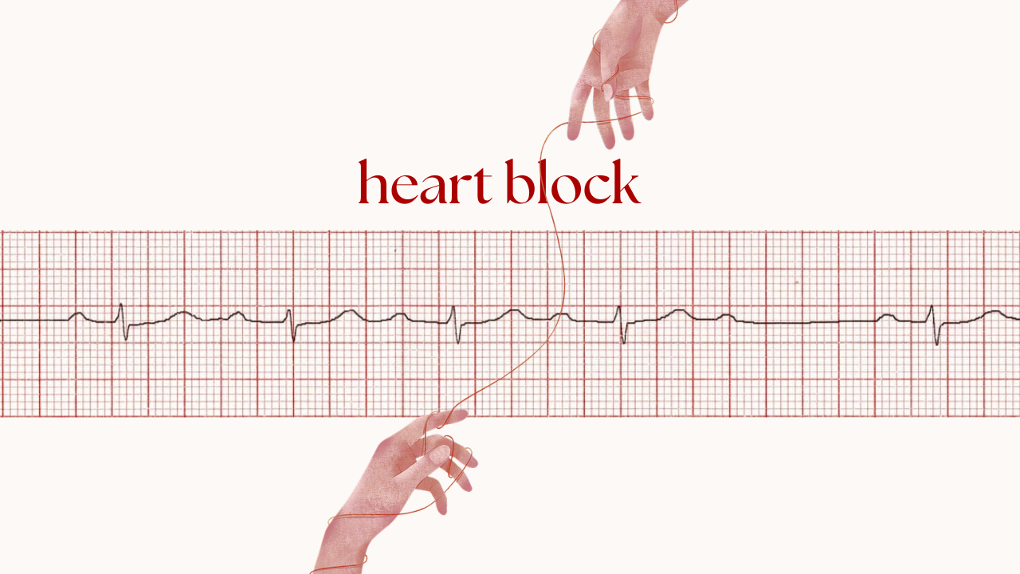
Mobitz Type 1 (Wenckebach) is a type of second-degree heart block. It occurs when the time taken for electrical signals to travel from the atria to the ventricles lengthens with each heartbeat, eventually skipping a beat entirely.
What if letters had colours and music had shapes? Discover the science behind synaesthesia and try an interactive at the end.
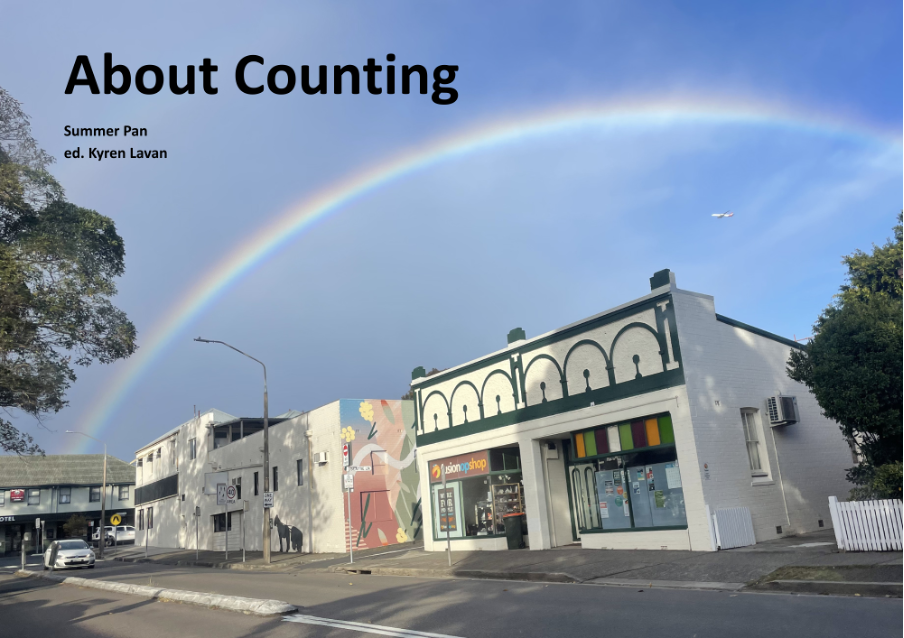
Summer Pan ed. Kyren Lavan I’m not a numbers-person. My world revolves around words, phrases, punctuation – em-dashes, even. You can probably guess that maths…

I think as medicine students, we hear a sentiment like this more often than not…