 Skip to content

 0
0
 0
0
Kyren Lavan ed. Summer Pan
Nationwide studies have shown that Australian medical students encounter high rates of fatigue, mental stress and burnout. One in five medical students face suicidal thoughts, and up to half of students face emotional exhaustion or symptoms of anxiety and/or depression (Vollmer-Conna, 2016). Although we are all too familiar with the realities of exam week stress, imposter syndrome, and exhaustion, which can peak during exam season and assignment submissions, we might not understand how beneficial destressing can be. Taking breaks improves mental, psychological, mood, cardiovascular, and sleep health (The Wellbeing Thesis, 2019). Of the many de-stressing strategies we might be familiar with, none seems as prominent in internet culture as “touching grass” or spending time outdoors. Fortunately, Sydney is surrounded by beautiful natural landscapes accessible by walking, bicycle or train.
Although the benefits of spending time in nature might not be glaring, literature shows a multitude of benefits in all aspects of health. Taking as little as a five-minute break in a natural environment boosts mental health in countless ways such as anxiety, irritability, tiredness, stress, attention, and even memory (this one’s for you, Anki warriors) (Gregory, 2024). Furthermore, spending time outdoors can also boost immunity through increasing vitamin D exposure and improve heart health by lowering blood pressure, both through reducing stress and promoting physical activity. At this point, you’re probably at the edge of your seat to find out more about areas around the greater Sydney area to get some much-needed fresh air, but first, let me tell you why New South Wales has so many iconic areas to explore. New South Wales sports a diversity of natural landscapes, including beaches, temperate forests, western deserts, and stunning wildlife. I interviewed three local UNSW students about their favourite areas to reconnect with nature for this essay, and I’ve included the interviews below.
Deanna, a local student who lives in Hornsby, says Bobbinhead in Ku-ring-gai Chase National Park is her go-to spot. Having gone there since she was a kid, the lush landscape and beautiful views of Cowan Creek allows her to escape the bustle of the city. Deanna explains that the various activities that the Creek allows for, such as fishing and kayaking, serve as relatively cheap outdoor activities once you have the equipment. Hikes and walks in nature serve as a convenient and enjoyable physical activity, relieving stress and providing the benefits of outdoor activity. Time spent bonding with friends and creating shared memories cements Bobbin Head as a getaway she holds near and dear to her heart, being a spot where she can feel free to have heartfelt conversations, long rants or just quality time. When asked how Bobbin Head makes her feel, Deanna mentioned a sense of peace, tranquillity, and detachment that she values after a stressful school term. Deanna’s favourite memory of Bobbinhead was an evening she had to get ferried back by speedboat with her friends as the sun was setting and she was too far offshore. Unique memories like these are what make nature so valuable to Deanna, and why getting out more has not just physical benefits discussed previously, but also many spiritual and social ones important for holistic health.
Sheryl, a lifelong Sydney local, says Cremorne Point is her favourite place near the city area to get in touch with nature. Cremorne Point is right outside the city and is walkable from Milsons Point, offering a soothing walk with stunning views of the sunset and the bay. Being an enjoyable spot to get some steps in, Cremorne is great for those near the city area who’d like to experience Sydney's amazing waterfront. It’s a great place for a yap session with friends or an impromptu picnic. Beyond the social aspects, Cremorne also offers amazing sunset views in a relatively uncrowded space, a hot commodity any Sydneysider will tell you is in high demand. The scientific benefits of sunsets are well researched, triggering a sense of “soft fascination”. Sunsets also provide an ideal amount of mental stimulation and boost sleep quality by supporting the circadian rhythm (Sloan, 2024). These benefits, being great for those who have difficulty sleeping, are a great way to spend the post-exam break or a day away from a stressful term. Sheryl’s best memories at Cremorne are having a good chat with friends while taking amazing pictures of the sunsets.
Another UNSW student and native Aussie, Lucy, loves taking the trip out to the Blue Mountains to enjoy a long hike and a great view. Although the Blue Mountains are a popular tourist and sightseeing location, the large number of trails means there’s a lot to explore and many quiet and secluded areas to spend time with nature. Hikes are an amazing health booster that could have prevented up to 9% of premature deaths in the 21st century attributed to a lack of physical activity (Ebbeling et al., 2002). When asked about her favourite hikes, Lucy mentions the ruined castle walk, a hike that I can personally attest to as being extremely rewarding, albeit moderately challenging, as it takes the better part of a day to complete. Offering amazing views of the Blue Mountains, it takes you into the valleys and ridges, so the ruined castle track is a must-visit and a paragon of the benefits of scenic views. The ruined castle is also an amazing location to witness the Raleigh effect, the scattering of light that gives the Blue Mountains their namesake, as the blue light reflected by evaporated eucalyptus oil, water vapour and dust, which bathe the mountains in their signature blue hue, a unique phenomenon caused by Australia’s native flora.
Overall, time spent in nature has benefits for all aspects of health, including physical, mental, social, and spiritual health. The cardiovascular and longevity benefits, alongside the improvements in focus, mood and decreased stress, mean that getting outdoors is a necessary and core component of healthy living. Furthermore, it serves as a low-cost, easily accessible social activity that also connects us to a higher purpose and disconnects us from our stresses and the hustle of everyday life. Hopefully, this article inspires you with some new spots to visit, or just to get some fresh air and enjoy the beautiful natural scenery that we are fortunate enough to have around us.
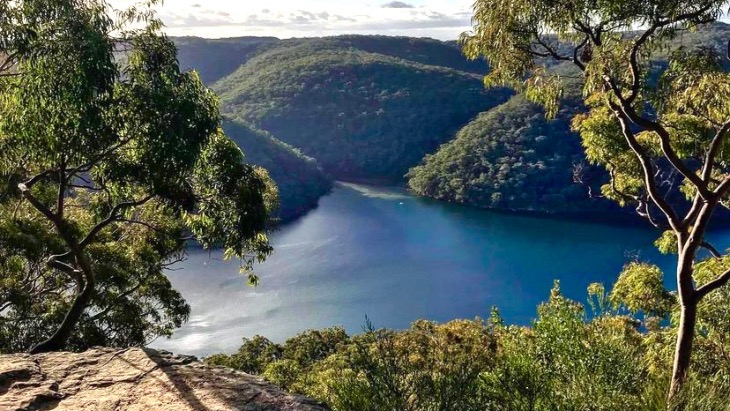

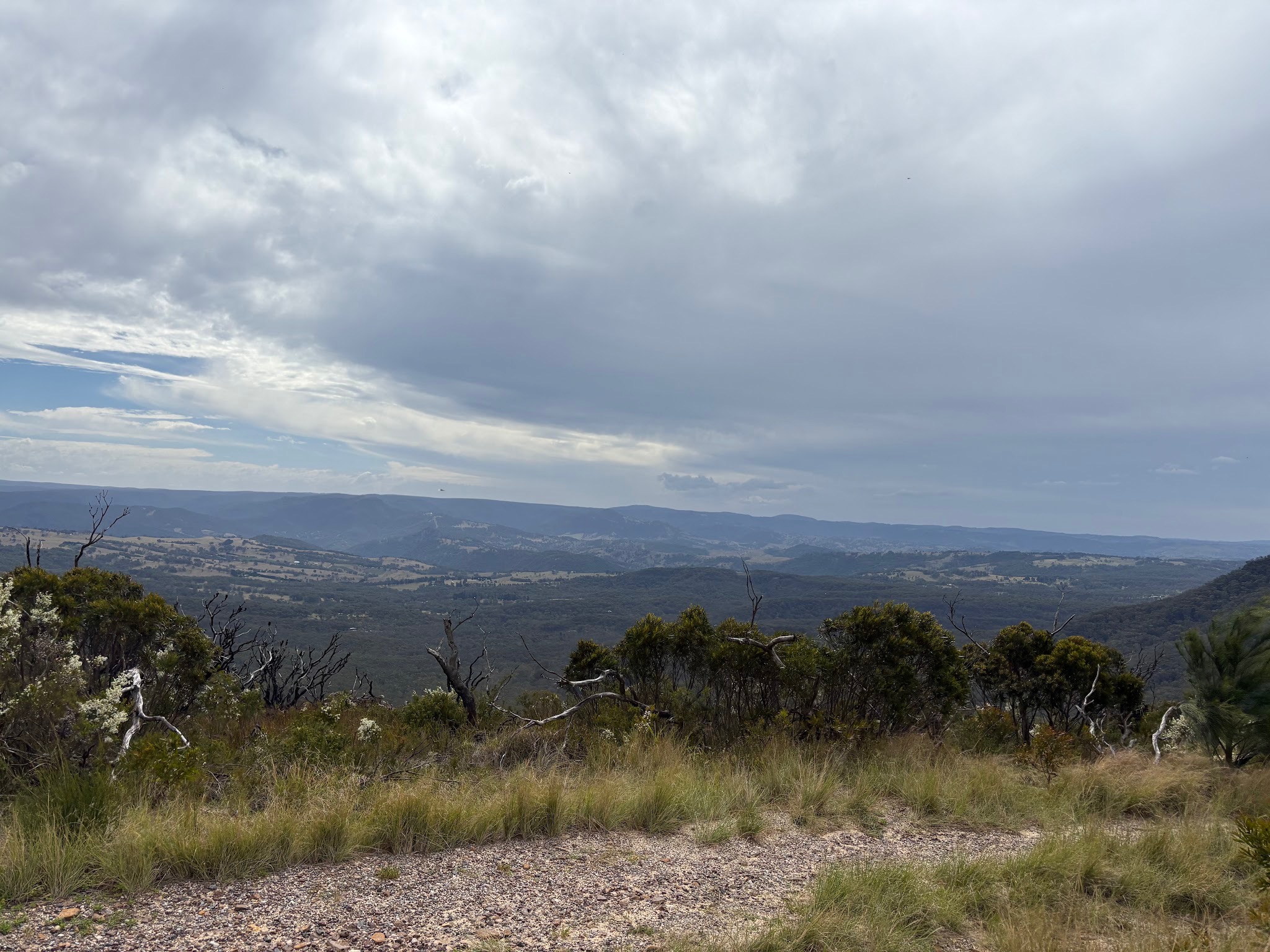
From left to right: Bobbin Head, Cermorne Point (photographed by Sheryl), Photo from along the ruined castle trek (photographed by Kyren).
References
Ackland, P. (2026). Things To Do At Bobbin Head: Family Favourites. Ellaslist.com.au. https://www.ellaslist.com.au/family-holidays/take-a-sunday-drive-bobbin-head
Ebbeling, C. B., Pawlak, D. B., & Ludwig, D. S. (2002). Childhood obesity: public-health crisis, common sense cure. The Lancet, 360(9331), 473–482. https://doi.org/10.1016/s0140-6736(02)09678-2
Gregory, S. Y. (2024, March 4). The mental health benefits of nature: Spending time outdoors to refresh your mind. Mayo Clinic Press. https://mcpress.mayoclinic.org/mental-health/the-mental-health-benefits-of-nature-spending-time-outdoors-to-refresh-your-mind/
Sloan, E. (2024, October 21). The Surprising Health Benefits of Watching the Sunrise or Sunset. SELF. https://www.self.com/story/sunrise-sunset-health-benefits
The Wellbeing Thesis. (2019, September 5). The Importance of Taking Breaks. The Wellbeing Thesis. https://thewellbeingthesis.org.uk/foundations-for-success/importance-of-taking-breaks-and-having-other-interests/
Vollmer-Conna, U. (2016, December 13). We don’t know enough about mental health in Australian medical students. UNSW Sites. https://www.unsw.edu.au/newsroom/news/2016/12/we-don_t-know-enough-about-mental-health-in-australian-medical-s


Average Rating